


Shengruixiang (Shandong) Glass Products Co., Ltd. is located in Yuncheng, Shandong, the birthplace of Water Margin culture and the capital of Chinese wine packaging.
Shengruixiang Glass Company was established in September 2009. Since its establishment, it has always adhered to the corporate business philosophy of "casting fine products and providing high-end services", strictly controlling product quality, and continuously improving service levels, winning the favor of new and old customers.
Shengruixiang Company currently has more than 800 employees and produces more than 600,000 crystal white, high white and ordinary white glass bottles per day, becoming a glass bottle production enterprise with large scale, multiple varieties and strong comprehensive strength in Jiangbei.

Why choose us?
01
Stable quality
Now it has developed into 3 crystal white glass kilns, two fully electric baking furnaces, and is equipped with comprehensive deep processing businesses such as frosting, gold drawing, and glaze spraying, providing customers with one-stop service.
02
Good reputation
Some products are exported to the European Union, the United States, Russia and Southeast Asia, and have won unanimous praise from domestic and foreign customers.
03
One-stop services
Communicate in depth with customers to understand their needs and expectations in order to provide them with the most appropriate solutions.
04
Technical team
Shengruixiang Company currently has more than 800 employees becoming a glass bottle production enterprise with large scale, multiple varieties and strong comprehensive strength in Jiangbei.
Related Product
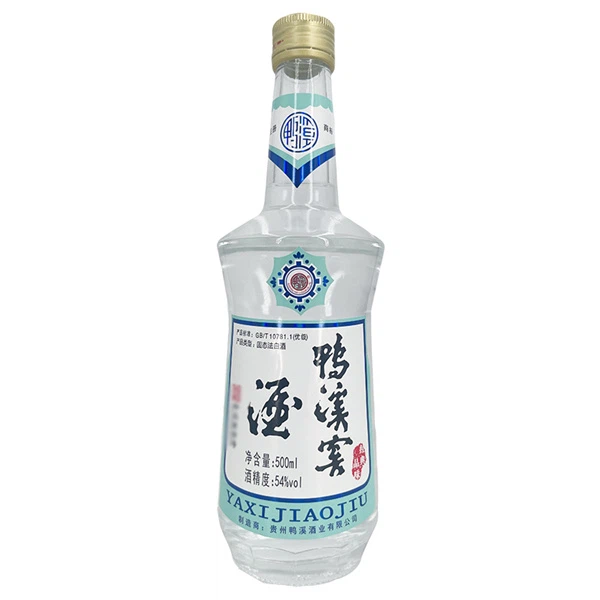
The shape of this500ml Wine glass bottle is so beautiful that l recommend it to you.HIGH QUALITY ,These bottles are made out of high quality food grade glass that is extremely durable, PERFECT 500ml Wine glass bottle- Perfect for storing drinks, liquor,LABELS AVAILABLE - Beautify the identification of your storage jars by adding one of printed water-resistant labels.

The 700ml Wine bottle - These bottles are made out of high quality food grade glass that is extremely durable,We can custom glass bottles as per your requirements.The matching bottle caps are available.

Our 700ml wine glass bottle are made from thick and durable glass for optimum resistance to impact and temperature changes. The cap is made from premium quality polypropylene for excellent corrosion resistance.

We can supply you 750ml Wine bottle with high quality and competitive prices. They are burgundy bottle, Bordeaux bottle, Klein bottle, champagne bottle and ice wine bottle, etc.

We produces 750ml Wine glass bottle plastic jar, plastic cap, glass bottle, glass container, glass cup, spice grinder, tin cap, and other package products in a wide variety of materials, shapes and sizes.We provide a complete range of services from initial design through production of finished containers.

This is a machine made clear 1000ml Wine glass bottle for wine, beverage, whisky, liquor.Material is Soda-lime Glass.Surface processing is Customised Logo, painted color, electrofacing, hand painted. 1000ml Wine glass bottle Made of high quality glass, large diameter bottle mouth easy to take with beautiful appearance.

This 500ml Wine bottle Polymer lid, strong sealing;no burr, no hand injury,Round and smooth mouth,not hurt our hands; Super flint glass material, with high transparency and whiteness.

The 1000ml Wine bottle mouth are available, round and smooth, fit seal design, beautiful and ele-Sealed cork design, gases dont't run away, tight seal-ing Anti-skip thread design ,good stability,Super flint glass material, with high transparency and whiteness.

We has All kind of glass bottle & Jars, like Glass Bottle, Beer Bottle. Brown red wine bottle. Rum Bottle, Tequila Bottle. Brandy Bottle, Gin bottle, Wine Bottles, Perfume bottle, Cosmetic Bottle and special shape bottles by Flint color, High flint color, Amber color, Green colors, Capacity from 5ml to 5L.customized logo and sizes,Brown red wine bottle different colors are available,High polymer material,different colors are available,customized,logo & sizes,well sealed.
What is 1000ml Wine Glass Bottle
Only a few years ago the liter-sized bottle of wine was a rarity in the wine world: squat and broad shouldered, containing just a glass or two more than a standard 750 ml bottle with none of the awkward heft and self importance of a magnum and all that it connotes. You'd see them in the cold case of smart wine shops, often containing crisp grüner veltliner, sometimes sealed with a crown cap like a big bottle of beer but mostly topped with a stelvin-style screw cap-all the better for quick access, quick resealing, and, blissfully, leak free storage on its side in the fridge.
Benefits of 1000ml Wine Glass Bottle
Preservation of taste and quality
Glass bottles provide an excellent barrier against oxygen, UV light, and other external factors that can affect the taste and quality of wine. Unlike plastic or aluminum, glass does not react chemically with the wine, ensuring that the wine's characteristics remain intact until it reaches the consumer's glass.
Elegance and tradition
Glass bottles have long been associated with elegance, sophistication, and tradition in the world of wine. The clarity and transparency of glass allow consumers to appreciate the color and clarity of the wine. The shape and design of glass bottles also play a significant role in enhancing the overall aesthetic appeal, making them ideal for premium wines.
Recyclability and sustainability
Glass is a highly sustainable material. It is 100% recyclable, and the recycling process consumes less energy compared to producing new glass. By choosing glass bottles for wine packing, producers contribute to reducing their carbon footprint and support eco-friendly practices. Additionally, recycled glass can be used to make new bottles indefinitely, reducing the demand for raw materials.
Longevity
Glass bottles are known for their durability and long shelf life. They do not degrade over time, ensuring that the wine remains protected and unaffected during transportation, storage, and aging. This longevity is especially crucial for wines that benefit from aging, as glass bottles provide a stable environment for the wine to develop and mature.
Marketing and branding opportunities
Glass bottles offer a wide range of branding and marketing possibilities. The surface of glass can be customized with labels, engravings, embossments, or even unique bottle shapes to reflect the personality and identity of the winery or wine brand. This customization allows producers to differentiate their products in a competitive market and create a lasting impression on consumers.
Familiarity and consumer perception
Glass bottles have been synonymous with wine for centuries, creating a sense of familiarity and trust among consumers. When presented with wine in a glass bottle, consumers perceive it as a premium product, associating it with quality and authenticity. This perception can significantly influence purchasing decisions and enhance the overall perceived value of the wine.
Versatility
Glass bottles come in various shapes, sizes, and colors, providing versatility for wine producers. Different wine styles and varietals can be matched with specific bottle designs to enhance their visual appeal and differentiate them from one another. Additionally, glass bottles can accommodate various closure options, such as corks or screw caps, catering to different wine preferences and ensuring the wine is properly sealed.
Ageless beauty
Glass bottles have a timeless quality that transcends trends and fads. They have been used to package wine for centuries, and their classic appeal never goes out of style. Whether it's a modern or traditional design, glass bottles exude elegance and sophistication, making them perfect for showcasing premium wines. The beauty of glass bottles only enhances with time, as they become cherished pieces for collectors or wine enthusiasts.
Temperature stability
Glass bottles provide excellent temperature stability for wine. They have a low thermal conductivity, meaning they do not easily transfer heat or cold. This property is particularly important for wines that are susceptible to temperature fluctuations, as it helps maintain a consistent temperature during transportation and storage. By choosing glass bottles, winemakers can ensure that the wine's delicate flavors and aromas are not compromised by extreme temperature variations.
Ability to evolve
Glass bottles have the unique ability to evolve alongside the wine industry. As new technologies and advancements emerge, glass bottle manufacturers adapt and innovate to meet the changing needs of winemakers and consumers. From lightweight options that reduce transportation costs and carbon emissions to specialized bottle shapes designed to enhance specific wine styles, glass bottles continue to evolve to provide the best packaging solutions for wines of all varieties.
Types of 1000ml Wine Glass Bottle
High shoulder
This is the most common style of wine bottles. The style became popular in Bordeaux, where it is used for Merlot, Cabernet Sauvignon, and white wines made with Sauvignon Blanc.
Sloped shoulder
The sloped shoulder in wine bottles is commonly used for Pinot Noir, Chardonnay, Syrah, and Grenache. Most oak-aged white wines come in this style.
Sparkling wine and champagne
Sparkling wine bottles are heavier because they need to withstand the pressure of seven atmospheres. Some have a punt, and others do not; they are specially designed for premium sparkling wines.
Unique bottles
Wine bottle styles are not as unique or varied as liquor bottle styles. Based on a glass manufacturer's catalog from 1906, the design has not changed in over 100 years.
Components of 1000ml Wine Glass Bottle


Closures
A closure is a seal used to close a bottle of wine. Several types of closures are available, each with its benefits and drawbacks. The most common type of closure is the cork, (Knowleage: Different Types of Corks and Closures for Wine Bottle) which has been used for centuries. Cork closures provide a good seal and are relatively easy to use, but they can be susceptible to oxidation and bacteria.
Other types of closures include screw caps, which provide a good seal and are easy to use but can give the wine a "metallic" taste; synthetic corks, which are made from plastic and provide a good seal but can be difficult to remove; and screw caps with a plastic liner, which provide an easy-to-use seal and good protection against oxidation.
Capsule
The capsule is the technical term for the Aluminum foil found in a wine bottle's neck and is supposed to help keep a wine's flavor and aroma intact.
Neck
The neck in a wine bottle is the portion of the bottle that extends from the base to the shoulder. This section of the bottle is essential for two reasons. First, the neck provides structural support for the entire bottle. Second, the neck helps to keep the wine inside the bottle fresh and free from oxygen exposure. This is because the neck is narrower than the bottle's body, allowing a smaller surface area of the wine to be exposed to air.
Shoulder
The shoulder is the section of the wine bottle that slopes downward from the neck to the body. This part of the bottle is generally narrower than the body, which helps to prevent the wine from oxidizing. Some people believe that the shoulder also helps to support the cork in the neck of the bottle, preventing it from breaking loose and ruining the wine.
Body
The body of a wine bottle is the section between the base and the shoulder. The shoulder is the sloping part of the bottle that connects the body to the neck. The bottle's body determines the amount of wine that the bottle can hold. Most standard wine bottles have a capacity of 750 milliliters, which is about 25 ounces.
Label
Wine producers use labels to identify products and convey important information to consumers. A wine label typically includes the winery's name, type of wine, vintage, and other important information such as alcohol content, producer code, and country of origin.
While the label is not required to include all of this information, it is often helpful for consumers to have as much information as possible when choosing a wine. The label is an essential tool for producers to communicate their products to consumers, and it can be helpful to understand what all the various elements of a label mean.
Punt
The punt is the indentation at the bottom of a wine bottle. It is there for a couple of reasons:
● To strengthen the bottle
● To provide a place for the bottle to sit upright on a surface without tipping over
● To make the bottle easier to hold
● To catch drips when pouring wine
Heel
The heel is the raised part at the bottom of a wine bottle. The heel helps support the weight of the wine and prevents the bottle from tipping over. It also makes it easier to pour wine into a glass.
The Transition to Glass Containers for Wine
Choosing 1000ml Wine Glass Bottle Colors
Blue wine bottles
The most prevalent shade of blue that is used is cobalt. It is radiant and naturally draws the eye and can be great if you would like your wine to stand out. That said, it may not be suitable for all kinds of wine. Blue, for all its beauty, is less effective in shielding light compared to other colors. Still, you could buy blue wine bottles for lighter fun wines such as Sherry or Madeira that tolerate light well.
Red wine bottles
The use of red is quite rare perhaps due to how striking it is. Nevertheless, it can still be a great way to make a statement in the wine market. Compare different shades of red bottles for sale to decide which would fit your desired look. Lighter shades of red like pink, for instance, can be used for Sherry and Rośe bottles. It gives them a fun look and distinguishes them from the more complex wines like Pinot Noir.
Green wine bottles
Green wine bottles are arguably the most popular when it comes to storing all kinds of wine including the sparkling variety. Its light-barring capabilities make it a favorite for preservation purposes. Wines can be bottled and distributed in green bottles without the risk of their quality being diminished. When you drink out of the wine, the wine bottle could be left, because it's a good decoration if you want to renovate it into a ninja turtle room. Adding colored glass with lights in the room is easier to create a sci-fi atmosphere.
There are different shades of green used for different bottles. The lighter ones such as dead-leaf green are preferred for white wines. The more opaque darker tints like champagne and antique green are used for red wines.
Clear wine bottles
Transparent bottles are also referred to as flint bottles. They offer no light protection but are good for the display that they offer. Consumers can see right through to the wine, which is alluring in its way. For some, seeing the hue is useful when deciding which bottle to take home.
Fruity white wines and Rośe carry well in clear wine bottles. Red wines, despite their delectable hues, can not survive the glaring transparency of flint bottles.
Black wine bottles
If you are aiming for a classy sophisticated look for your wine, black is certainly an option worth considering. You could opt for black bottles with a reflective sheen or a more dull rustic looking bottle. Either way, this is one color that does not disappoint. Moreover, Sauvignon Blańcs, Pinot Noirs, and other types of red wine will remain intact should you choose to use black wine bottles. In fact, it is red wines that are more often cloaked in them.
Purple wine bottles
Choosing purple wine bottles would undoubtedly be an eclectic decision. It is hardly ever used in the wine industry. Nonetheless, it is the color of royalty and you can seldom go wrong with it if you choose the right shade. Darker tints, for example, may offer a more charming look.
How much opacity your manufacturer can achieve with this color will determine which kind of wine you can use it for. That said, sparkling and white wines are recommendable.
White wine bottles
White-colored bottles are rare and even more so in the wine aisle. Still, it is always a good idea to distinguish your brand, and using white bottles might just be the way to do that. With delightful customized labeling, they would certainly look elegant at any dinner table.
When it comes to light, white is highly reflective but may not offer enough opacity for red wines. Consider using white wine bottles for dessert wines and fruity white varieties.
Amber wine bottles
When it comes to photosensitivity, few colors can offer the shield that amber does. It is for this reason that amber bottles are used in many industries including the bottling of alcoholic beverages. You will have an easy time finding a supplier given as most glass bottle manufacturers make them.
Nothing is more reminiscent of wine than the tint of amber on an elegant bottle. All kinds of wine are agreeable to amber bottles but red wine may be more apropos.
Our Factory
Shengruixiang Company currently has more than 800 employees and produces more than 600,000 crystal white, high white and ordinary white glass bottles per day, becoming a glass bottle production enterprise with large scale, multiple varieties and strong comprehensive strength in Jiangbei.

FAQ
Hot Tags: 1000ml wine glass bottle, China 1000ml wine glass bottle manufacturers, suppliers, factory, brandy bottle with label holder, glass brandy bottle with handle, pumpkin-shaped glass bottles, branded etched brandy glass bottle, glass bottle for brandy pourer, branded corporate gift brandy glass bottle


