


Can a 750ml wine glass bottle be used for fortified wine? This is a question that often arises among wine enthusiasts and producers alike. As a supplier of 750ml wine glass bottles, I am well - positioned to offer some insights into this topic.
Fortified wines are a unique category of wines. They are wines to which a distilled spirit, usually brandy, has been added. This addition of alcohol not only raises the alcohol content of the wine but also affects its chemical and physical properties. Common examples of fortified wines include Port, Sherry, and Madeira. These wines have specific aging requirements and storage needs due to their higher alcohol content and often more complex flavor profiles.
Compatibility of 750ml Wine Glass Bottles for Fortified Wine
1. Volume Considerations
The 750ml volume is a standard in the wine industry. It has become the norm for a variety of reasons, including ease of handling, storage, and marketing. For fortified wines, this volume can be quite appropriate. Many consumers are accustomed to purchasing wines in the 750ml size, and it also allows for a reasonable amount of the fortified wine to be stored and aged. Whether it is for personal consumption or for gifting, the 750ml 750ml Wine Bottle serves as a practical option.
Moreover, when it comes to the production process of fortified wines, the 750ml volume is easy to work with in terms of bottling and labeling machinery. Winemakers can efficiently fill and package their fortified wines in these standard - sized bottles, which helps streamline the production process.

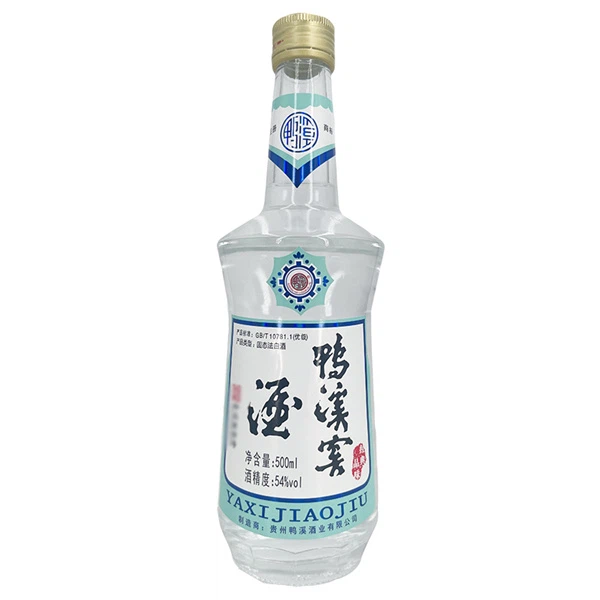
2. Glass Material and Fortified Wine
The glass used in wine bottles plays a crucial role in protecting the wine. Fortified wines, with their higher alcohol content, require a bottle that can resist the potential chemical reactions that might occur between the wine and the bottle material. Most 750ml wine glass bottles are made from high - quality glass that is chemically inert. This means that the glass will not react with the fortified wine, preserving its flavor, aroma, and quality over time.
The glass also provides a barrier against oxygen, light, and temperature fluctuations. Oxygen is the enemy of fortified wine as it can cause oxidation, leading to a change in flavor and color. The thick glass of a 750ml wine bottle can slow down the oxidation process, allowing the fortified wine to age gracefully. Light, especially ultraviolet light, can also damage the wine, but the amber - colored glass commonly used in Brown Red Wine Bottle can filter out harmful UV rays, protecting the wine inside.
3. Aging Potential
Fortified wines are often intended for aging. Some fortified wines, like vintage Port, can age for decades and develop more complex flavors over time. The 750ml wine glass bottle provides a suitable environment for this aging process. The volume of wine in the bottle, combined with the small amount of air remaining in the headspace after bottling, allows for a slow and controlled oxidation process.
The size of the bottleneck and the shape of the bottle also contribute to the aging. A narrow bottleneck reduces the surface area of the wine exposed to air, further slowing down the oxidation. This is particularly important for fortified wines, as a proper aging environment can enhance their value and taste.
Other Bottle Sizes and Fortified Wine
While 750ml is a popular choice, there are other bottle sizes available that can also be used for fortified wine.
1. 500ml Wine Glass Bottle
The 500ml Wine Glass Bottle is a smaller option. It can be ideal for those who want to sample different types of fortified wines without committing to a full 750ml bottle. For winemakers, it can be a cost - effective way to introduce new fortified wine products to the market. It is also suitable for gift sets or for wines that are not intended for long - term aging.
2. 1000ml Wine Glass Bottle
The 1000ml Wine Glass Bottle offers a larger quantity. This can be a good choice for producers who want to offer a special edition or premium fortified wine. For consumers, it can be a great option for sharing at special occasions or for those who are serious collectors of fortified wines. However, the larger volume means that the wine may age differently compared to a 750ml bottle, as the ratio of wine to air in the headspace is different.
3. Small Wine Bottles
Small Wine Bottles are also an option for fortified wines. These bottles, which can be as small as 187ml or 375ml, are convenient for single - serving or for trying out a new fortified wine without investing in a larger bottle. They are also popular for airline service or for inclusion in wine tasting sets.
Considerations for Fortified Wine Packaging
When using a 750ml wine glass bottle for fortified wine, there are a few additional considerations for packaging. The closure of the bottle is important. Cork closures are traditional and can allow a small amount of oxygen to enter the bottle, which is beneficial for the aging process of some fortified wines. However, synthetic closures and screw caps are also options. Synthetic closures can provide a more consistent seal, while screw caps are convenient and can prevent cork taint.
Labeling is another aspect. The label should clearly indicate that it is a fortified wine, along with details such as the type of fortified wine (e.g., Port, Sherry), the alcohol content, and any necessary aging or storage instructions.
Conclusion
In conclusion, a 750ml wine glass bottle can definitely be used for fortified wine. Its standard volume, appropriate glass material, and suitability for aging make it a viable choice for both producers and consumers. However, other bottle sizes also have their own merits and can be used depending on specific needs and preferences.
If you are a winemaker looking for high - quality 750ml wine glass bottles or other wine bottle sizes for your fortified wines, we are here to assist you. We can provide you with a wide range of options to meet your packaging requirements. Contact us for more information on our products and to discuss your specific needs. We look forward to working with you to ensure that your fortified wines are presented in the best possible way.


