


Hey there, wine enthusiasts! As a supplier of 750ml wine glass bottles, I've seen firsthand how the shape of these bottles can have a real impact on the wine inside. Let's dive into how different bottle shapes can affect the wine in various ways.
Aeration and Oxidation
One of the key ways a bottle's shape affects wine is through aeration and oxidation. When wine is exposed to air, it undergoes a chemical reaction that can change its flavor and aroma. The shape of the bottle can influence how much air gets to the wine and at what rate.
For example, bottles with a wider body and a shorter neck allow more air to come into contact with the wine. This can speed up the aeration process, which is great for young wines that need to open up and develop more complex flavors. On the other hand, bottles with a narrow neck and a more slender body limit the amount of air that reaches the wine. This is beneficial for older wines that are more delicate and can easily be over - oxidized.
Think about it like this: if you pour a young, tannic red wine into a wide - bodied 750ml bottle, it'll start to breathe and mellow out faster. But if you put an aged vintage in the same bottle, it might lose its subtle nuances too quickly. So, the shape of the bottle can act as a kind of natural regulator for the wine's interaction with air.
Temperature Retention
The shape of a 750ml wine glass bottle also plays a role in temperature retention. Different bottle shapes have different surface areas, and this affects how quickly the wine inside heats up or cools down.
Bottles with a larger surface area, such as those with a wide and flat base, will generally lose heat more quickly. This can be a problem if you're trying to keep your wine at a specific temperature, especially in warmer environments. On the flip side, bottles with a smaller surface area, like those with a tall and slender shape, are better at retaining heat.
For white wines and sparkling wines, which are typically served chilled, a bottle with a smaller surface area can help keep the wine cold for longer. Red wines, which are often served at room temperature, might benefit from a slightly larger surface area if you want them to warm up a bit faster.
Sediment Settling
Another important aspect is sediment settling. As wine ages, it can develop sediment, which is made up of things like tannins, pigments, and yeast particles. The shape of the bottle can affect how this sediment settles.
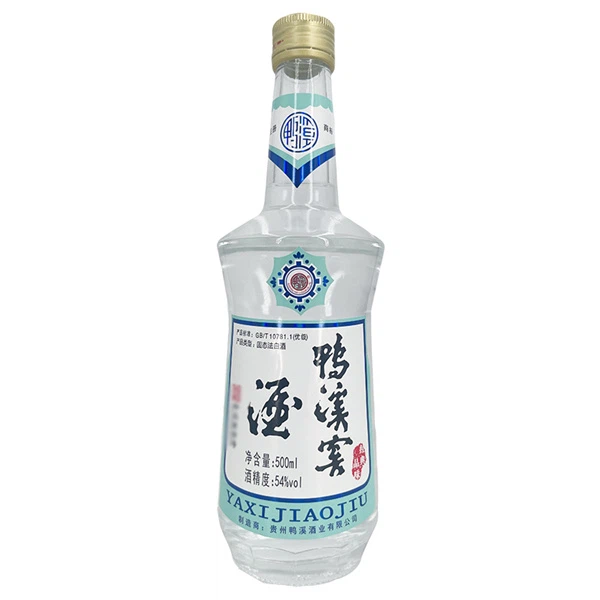

Bottles with a punt (the indentation at the bottom of the bottle) are great for sediment settling. The punt creates a kind of pocket where the sediment can collect. This makes it easier to decant the wine without disturbing the sediment. Bottles with a flat bottom, on the other hand, may have the sediment spread out more evenly across the bottom, making it more difficult to separate the clear wine from the sediment.
Visual Appeal and Branding
Let's not forget about the visual appeal and branding. The shape of a 750ml wine glass bottle can be a powerful marketing tool. Different shapes can convey different messages about the wine.
A sleek, modern - looking bottle might suggest a contemporary, innovative wine. A more traditional, rounded bottle could imply a classic, time - honored wine. Winemakers often choose bottle shapes that align with their brand image and the style of wine they're producing.
As a supplier, I've seen how wineries use unique bottle shapes to stand out on the shelves. A well - designed bottle can attract consumers and make them more likely to pick up a particular wine. It's not just about what's inside the bottle; the outside matters too!
Different Bottle Shapes in the Market
There are several common bottle shapes for 750ml wine glass bottles, each with its own characteristics.
- Bordeaux Bottle: This is a classic bottle shape with high, straight shoulders. It's often used for Cabernet Sauvignon and other Bordeaux - style wines. The high shoulders are great for sediment settling, and the shape gives a sense of tradition and quality.
- Burgundy Bottle: These bottles have more rounded shoulders and a wider body. They're commonly used for Pinot Noir and Chardonnay wines from Burgundy. The wider body allows for more aeration, which is suitable for these lighter - bodied wines.
- Champagne Bottle: Champagne bottles are thick - walled and have a distinctive shape with a large punt. The thick walls are necessary to withstand the high pressure of the carbonation, and the punt helps with sediment settling during the aging process.
Impact on Wine Storage
The shape of the 750ml wine glass bottle also affects how it's stored. Some shapes are more stackable than others, which is important for wineries and retailers who need to store large quantities of wine.
Bottles with a square or rectangular cross - section are generally easier to stack neatly. This can save space in storage facilities and make it more efficient to transport the wine. On the other hand, bottles with irregular shapes might require special storage racks or take up more space.
Conclusion
In conclusion, the shape of a 750ml wine glass bottle has a significant impact on the wine. From aeration and oxidation to temperature retention, sediment settling, and branding, every aspect of the bottle's shape matters.
As a supplier, I understand the importance of providing winemakers with the right bottle shape for their wine. Whether you're looking for a traditional Bordeaux bottle or a modern, unique design, I've got you covered. We also offer 500ml Wine Glass Bottle and other sizes to meet different needs. If you're interested in 750ml Wine Bottle or 500ml Wine Bottle, don't hesitate to reach out for a purchase and negotiation. Let's work together to find the perfect bottle for your wine!
References
- Jackson, H. (2018). "The Wine Lover's Companion".
- Robinson, J. (2020). "Wine Grapes: A Complete Guide to 1,368 Vine Varieties, Including Their Origins and Flavours".


